Who Owns the Major Spa Franchises? Private Equity vs. Founder-Led
Published June 16, 2026
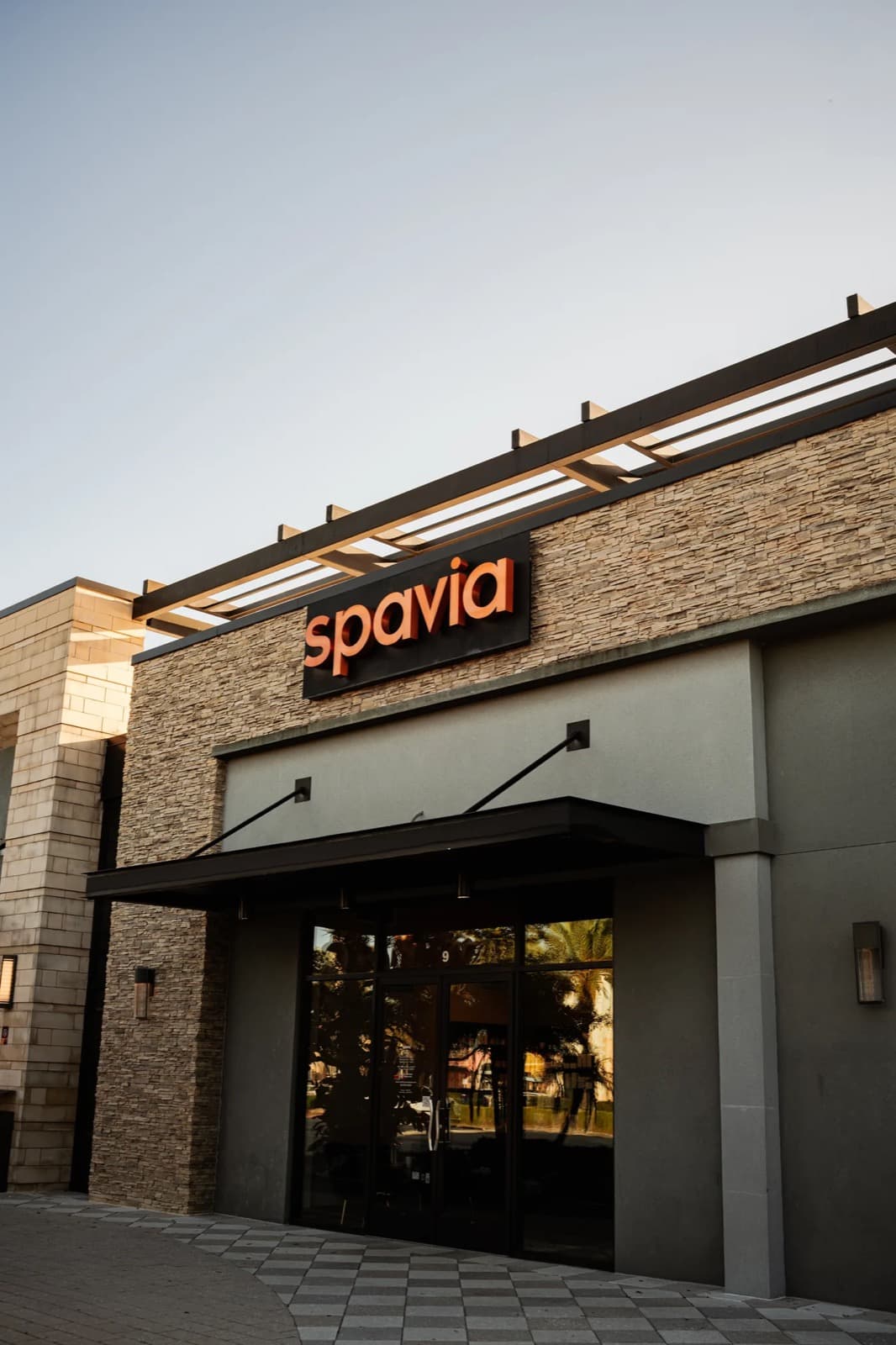
“When you own a Spavia, you're partnering with the family that built it, not a fund that's passing through.”
When you buy a franchise, you aren't just buying a brand and a playbook. You're entering a relationship, usually a 10-year agreement, with whoever owns that brand. And in the spa and massage category, the answer to “who owns it?” has quietly changed.
Over the past decade, private-equity firms have rolled up most of the biggest names in spa and massage franchising. That isn't inherently good or bad, private equity brings real capital and expertise, but it changes the incentives behind the brand you'd be tying your investment to. Here's who owns what, what private-equity ownership actually means for a franchisee, and where Spavia stands.
The Spa Franchise Category Has Been Quietly Rolled Up
If you're comparing spa franchise opportunities in 2026, most of the brands on your list are owned by private-equity funds, often firms that have already bought and sold the brand at least once. Here's the current ownership of the major players:
| Brand | Segment | Current Owner | Owned Since |
|---|---|---|---|
| Hand & Stone | Massage & facial | Harvest Partners (PE) | 2022 |
| Massage Envy | Massage | Roark Capital (PE) | 2012 |
| Woodhouse Spa | Day spa | TSG Consumer Partners (PE) | 2022 |
| Elements Massage | Massage | Transom Capital, via WellBiz Brands (PE) | 2026 |
| VIO Med Spa | Med spa | Freeman Spogli (PE) | 2024 |
| Spavia | Day spa | Founding family, independently held | 2005 |
A few of these are part of larger private-equity platforms. WellBiz Brands, which owns Elements Massage, also owns Drybar, Amazing Lash Studio, and Radiant Waxing under the same fund. The point isn't that any of these are bad businesses. It's that the brand you'd sign a decade-long agreement with is, in most cases, a portfolio company being managed toward a financial return.
What Private-Equity Ownership Means for a Franchisee
Let's be fair: private equity isn't the villain. PE firms bring growth capital, professional systems, and operational expertise. When Levine Leichtman owned Hand & Stone, for example, it genuinely invested in the brand's technology, marketing, and management before selling it. Those investments can benefit franchisees.
But the structure also creates pressures worth understanding before you sign:
What private equity brings
- •Growth capital and national-scale marketing
- •Professionalized systems and technology
- •Aggressive unit expansion
What the structure pressures
- •A defined hold period, typically 3–7 years, before the brand is sold again
- •Cost discipline and potential fee or royalty changes
- •Decisions weighted toward the next sale, not the next decade
The part most buyers miss:
A franchise agreement usually runs 10 years. A private-equity hold period usually runs 3–7. That math means you may have two or three different corporate owners over the life of a single agreement, each with its own priorities, leadership, and plans for your brand.
Where Spavia Stands
As of 2026, Spavia is independently held and led by the Langenderfer family that founded the brand in Denver in 2005. There's no fund behind it and no hold clock running. The people whose name is on the brand are the same people making the decisions, and they're still here.
Aligned interests
Decisions made for the long-term health of the brand and its owners, not a fund's return by a target date.
No exit clock
We aren't building Spavia toward a flip on a private-equity timeline.
Founders you can reach
The family that built the brand is still building it, and still answering the phone.
Questions to Ask Any Franchisor About Ownership
Whether you end up choosing Spavia or not, these are worth asking every brand on your list before you sign:
- ?Who owns the franchisor today, a founder, a family, or a private-equity fund?
- ?How many times has the brand been sold, and when?
- ?If it's PE-owned, where is the fund in its hold period, and what happens to franchisees when it sells again?
- ?Will the people I'm meeting today still be here in five years?
- ?Have royalties or fees changed under the current owner?
Talk to the People Who Actually Own the Brand
At Spavia, the franchise conversation starts with the family and team that built the brand, not a fund. If founder-led, independently held ownership matters to you, let's talk.
Book a Call with Our Franchise Team →Frequently Asked Questions
Which spa franchises are owned by private equity?+
Is Spavia owned by private equity?+
Does it matter who owns a franchise you buy?+
What is a private-equity hold period?+
Sources
- BusinessWire / Kirkland & Ellis, Levine Leichtman Capital Partners sells Hand & Stone to Harvest Partners (2022)
- Roark Capital, Massage Envy acquisition (2012)
- TSG Consumer Partners, acquisition of Radiance Holdings / Woodhouse Spa (2022)
- FranchiseWire / GlobeNewswire, Transom Capital acquires WellBiz Brands (Elements Massage, Drybar) from KSL Capital Partners (2026)
- Freeman Spogli / PR Newswire, majority investment in VIO Med Spa (2024)
Permalink: https://spaviafranchise.com/blog/2026/06/16/spa-franchise-ownership-private-equity-vs-founder-led
Related Articles
Spavia Franchise Team
Founder-Led Franchise Development
Our founder-led team guides prospective franchise owners through every step of the Spavia discovery process, from initial inquiry to grand opening.